
At the beginning of the twentieth century, Bagnone and the Lunigiana were poor lands, where mountain agriculture was not enough to support families. A substantial migratory flow had long been leaving from here, which in the early post-unification period headed mainly toward Corsica and the Po Valley (“la Barsana”), but which from 1880 began to look overseas, toward the United States.
Like the great majority of Italians who emigrated to America, the Lunigiana worker too fell into the category of unskilled labourers: heavy manpower, without a recognized trade, often still tied by family or fellow-villager bonds to those who had already left. For this very reason, recruitment rarely happened by chance: genuine placement agencies and agents were active on both shores of the Ocean, organizing the journey, directing workers toward areas where labour was in demand — such as the forests of Northern California — and sometimes even advancing the cost of the crossing, which in 1907 came to around 300 lire just for the inland leg from the Atlantic to the Pacific. Alongside this system ran informal migratory networks: relatives, fellow countrymen and villagers already settled there, who reported job opportunities and helped newcomers settle in. As early as 1907 the Consul General of San Francisco reported that, out of a million and a half inhabitants of California, only 65,400 Italians were recorded — a sign that, however organized, their presence remained modest compared with other immigrant communities.
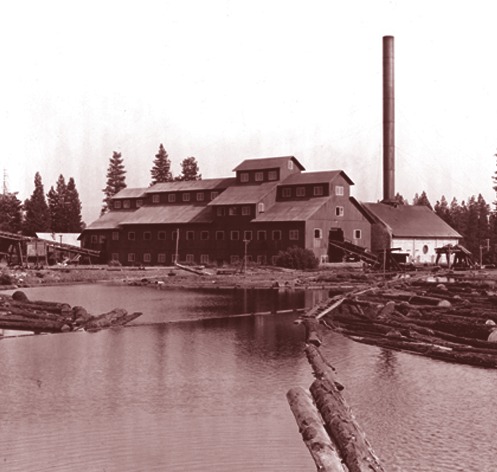
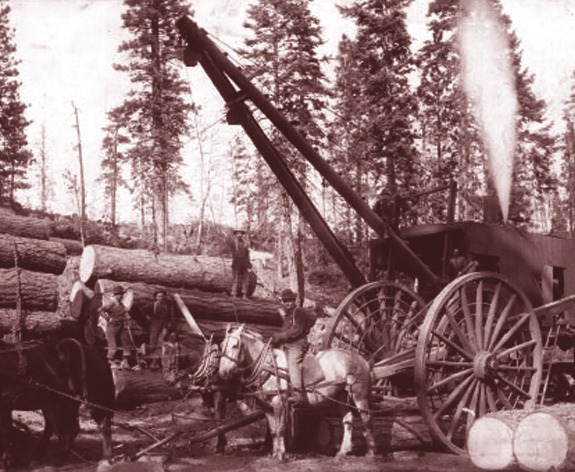
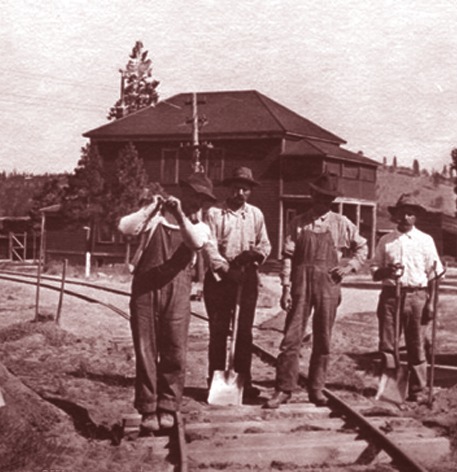
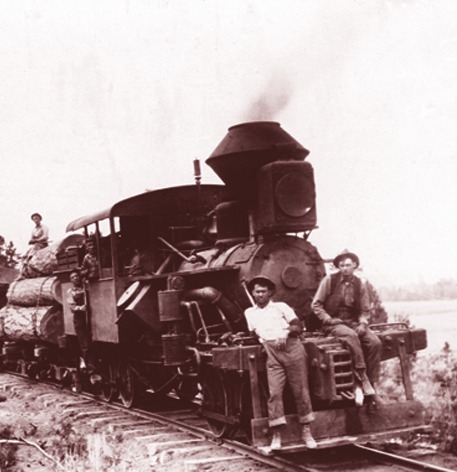
The destination for the people of Bagnone was Northern California, and in particular a town founded a few years earlier, in 1897, on the initiative of a timber entrepreneur, Abner Weed: the town was named, fittingly, Weed, and it was a true “company town” — a company-owned settlement that grew up entirely around the sawmill and the needs of the Weed Lumber Company. Within a few years the population reached 2,000–3,000 inhabitants, with houses, shops and even dance halls owned by the company. Around Weed, in the forests of Siskiyou County and the surrounding area, thousands of lumberjacks and timber workers laboured, many of them immigrants: this is where the first groups from Bagnone also arrived, finding conditions that were harsh but not entirely unfamiliar, accustomed as they were to working in the forests of their homeland.
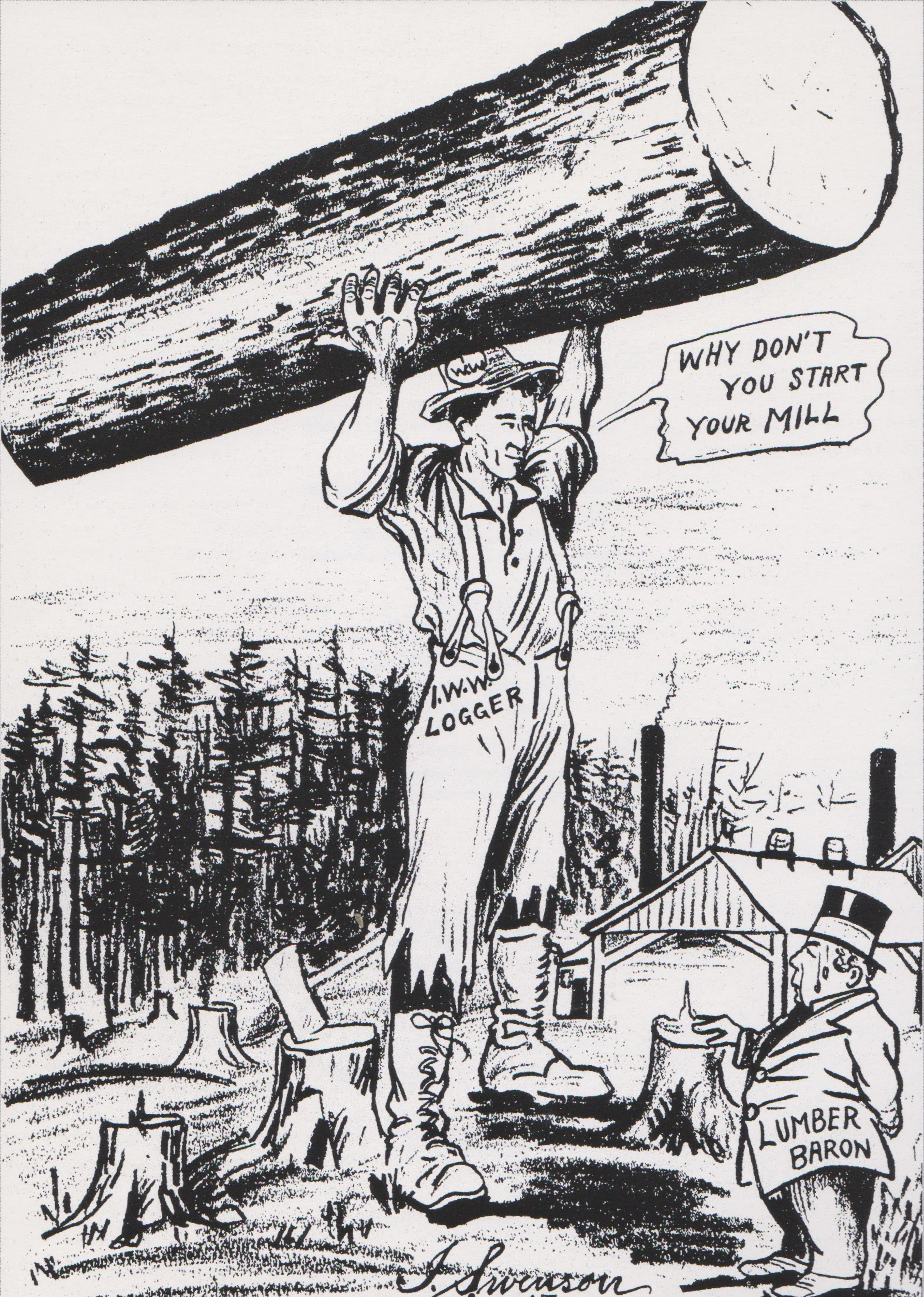
Working conditions, however, were harsh: long shifts, wages whittled away by the “company store” system (the company-owned shop where workers were forced to buy everything, often on credit) and rents imposed by the very same company that paid their wages. It is no surprise that in those years the radical Industrial Workers of the World (I.W.W.) union found fertile ground among the lumberjacks of Northern California: in 1909 a major strike broke out in nearby McCloud, and labour protest became a defining feature of that period, even though there is no firm evidence of direct involvement by people from Bagnone in those struggles.
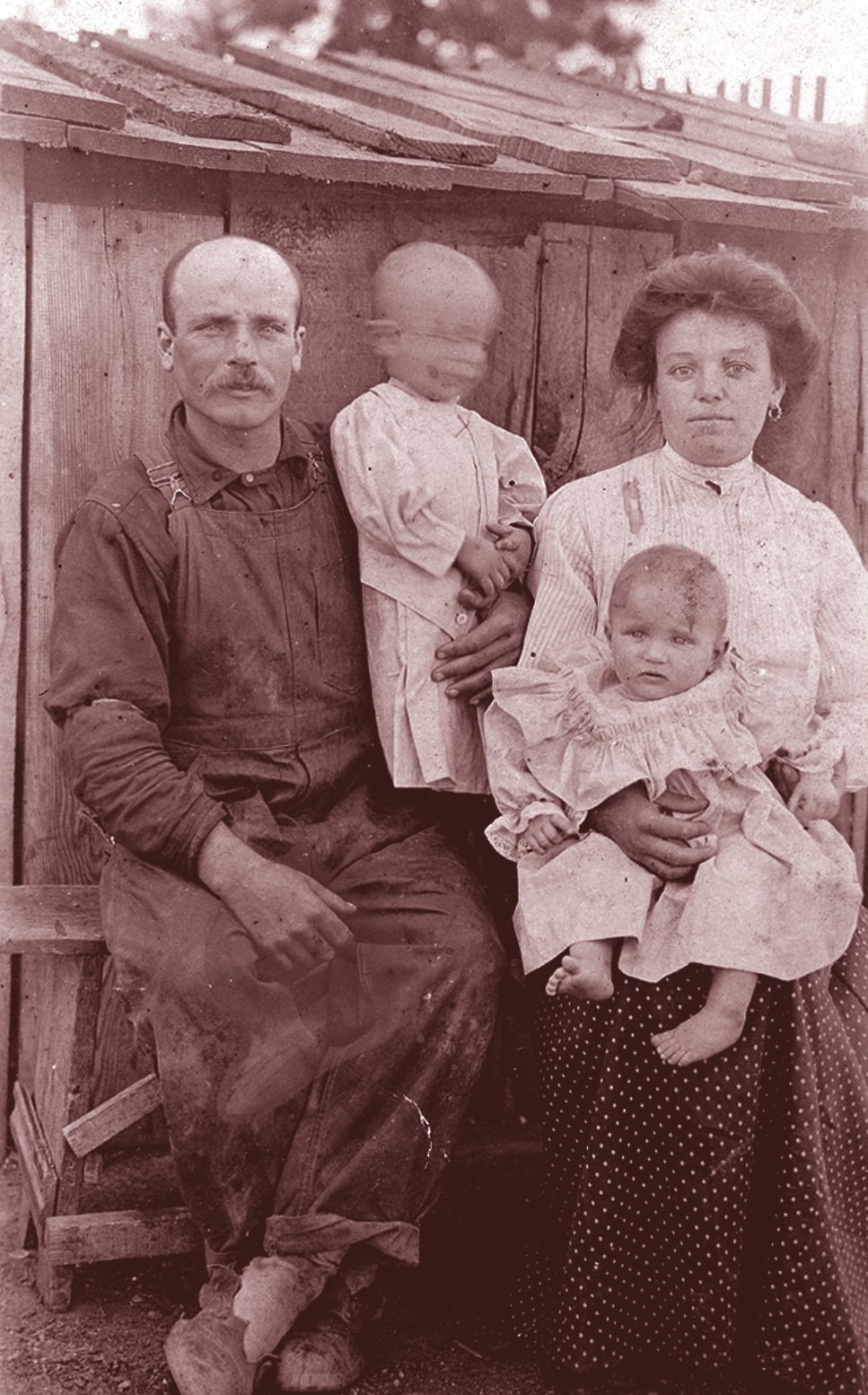
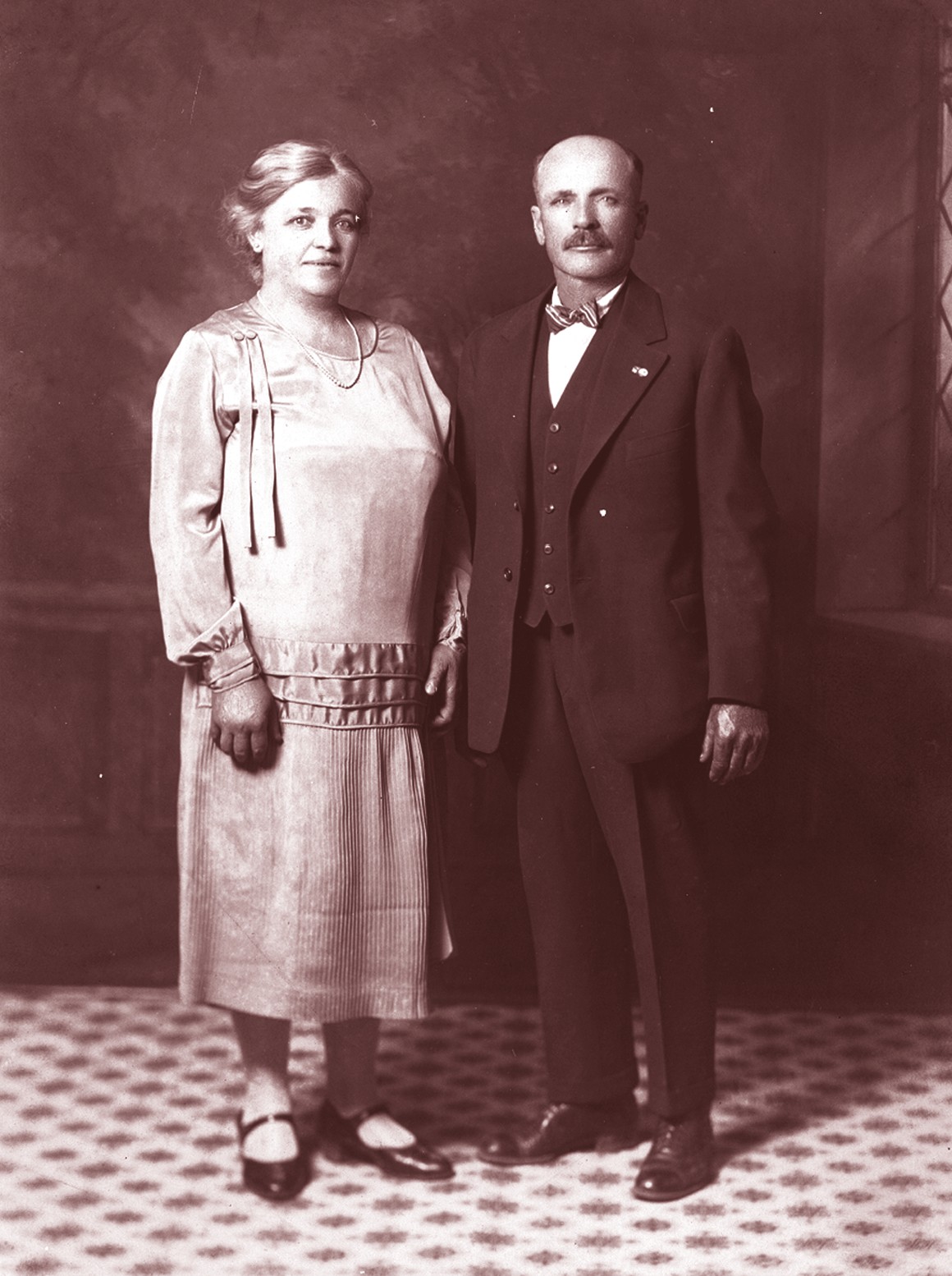
At the heart of this story is also a family history, reconstructed through a private archive now kept in Bagnone: that of the Bernabovi, Barbieri and Luigi families. In 1907 Carmela Luigi left the village and, after a journey of several weeks by train and ship, joined her fiancé Evaristo in Weed. She would be among the first women of the local Italian community, and for her whole life — she would live past the age of one hundred — she ran a boarding house, that is, a lodging house for the many single immigrant men, taking care of meals, laundry and accommodation: invisible but essential work, which allowed families to save money and helped strengthen the network of solidarity among fellow villagers.
Her brother-in-law Giuseppe Barbieri, however, lived a parallel but more troubled story. Left fatherless at the age of two and raised in an orphanage in Pontremoli, he too left for California in 1913, while still a minor, accompanied as guarantor by his uncle Pietro Bernabovi. Moving on quickly from Weed and McCloud toward the cities, he learned English in evening classes and came to work as a waiter at the famous Fairmont Hotel in San Francisco — a genuine social climb, attested also by a letter from January 1919 inviting him to prepare for the American citizenship examination. That promise, however, would never be fulfilled: in 1921, overtaken by the restrictive immigration laws passed in the United States amid the postwar anti-communist climate of fear (the so-called Red Scare), he was forced into a compulsory repatriation, every single stage of which he would note down forever, hour by hour. Back in Bagnone he built himself a new life and a family, but he would remain forever the “keeper of the memory” of that interrupted American dream, preserving to the end letters, photographs and postcards of the great hotel where he had served as a young man.
A trajectory, in short, that shows two faces of the same emigration: on one hand, organized recruitment and a life that was extremely hard but stable in the camps of unskilled lumberjacks; on the other, the social climb of those who, learning English and drawing on village networks, managed to move toward more profitable trades in the great coastal cities.
Source: DADÀ, Adriana, La Merica. Bagnone, Toscana – California, U.S.A. Donne e uomini che vanno e che restano, Firenze, Morgana Edizioni, 2006.
Images and documents
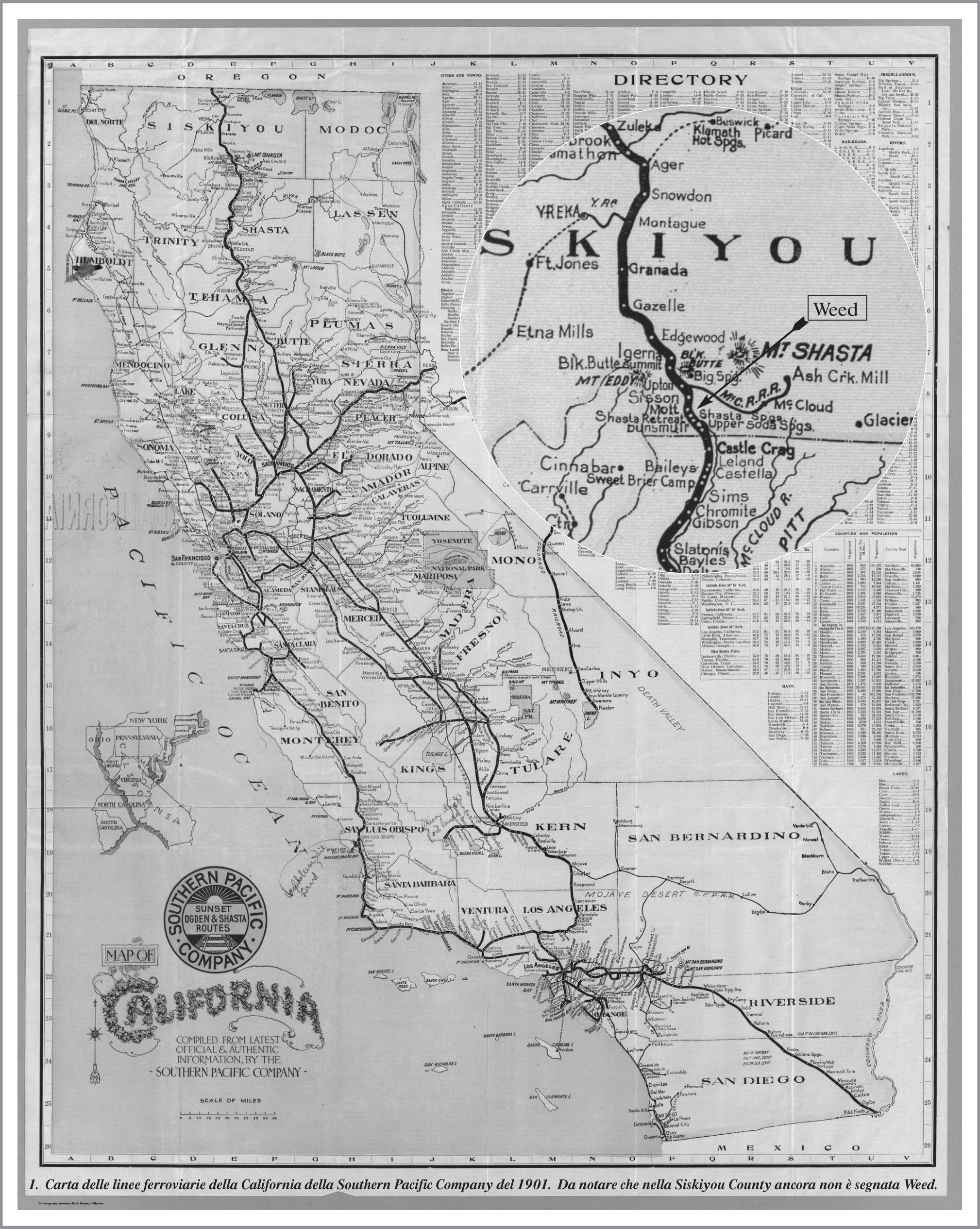
Fonte — Source: DADÀ, Adriana, La Merica. Bagnone, Toscana – California, U.S.A., Morgana Edizioni, 2006.
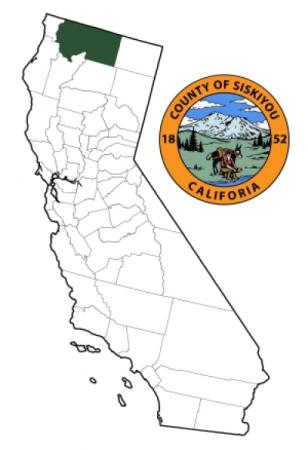
Fonte — Source: siskiyoucounty.gov, About Siskiyou County.
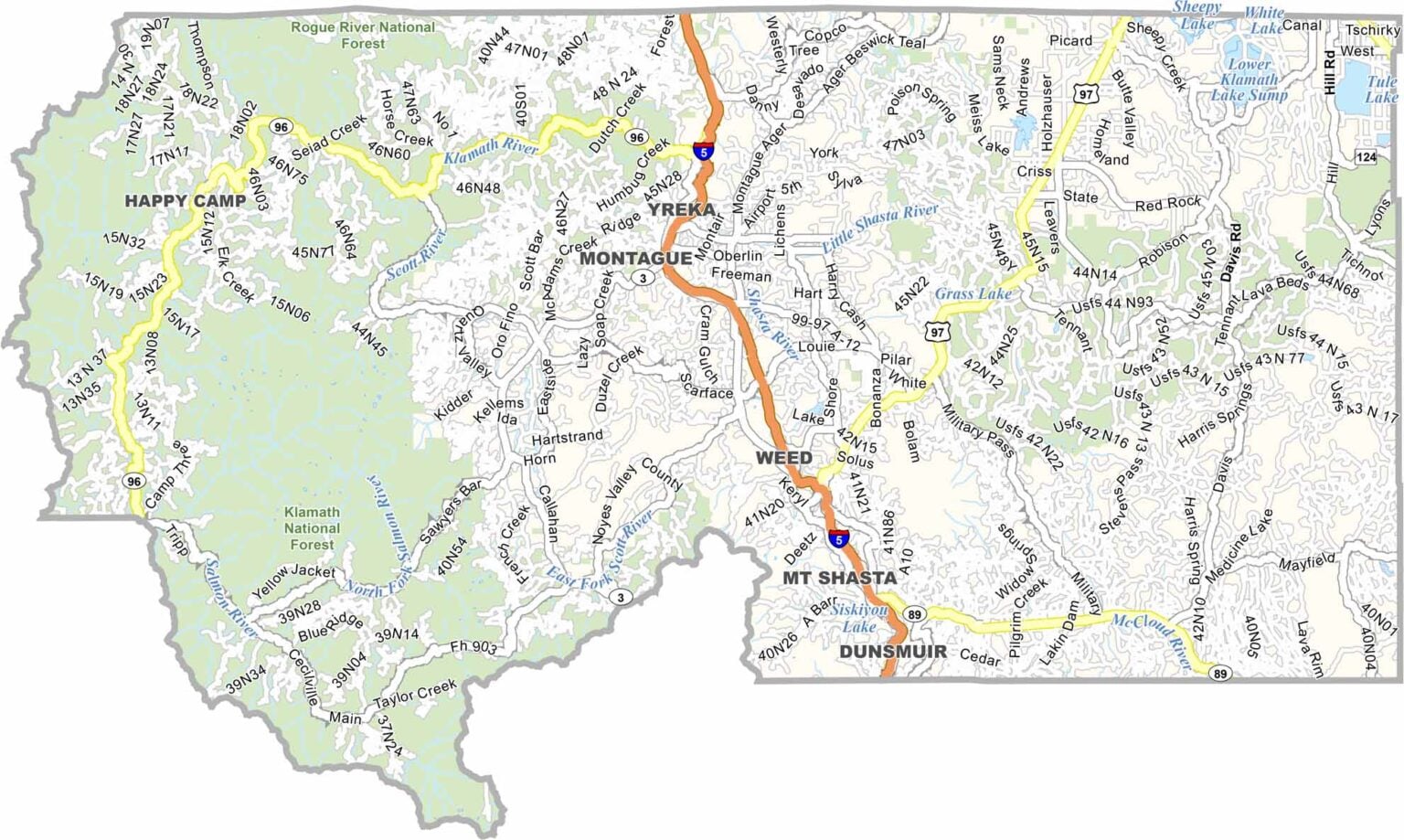
Fonte — Source: uscountymaps.com, Siskiyou County Map, California.
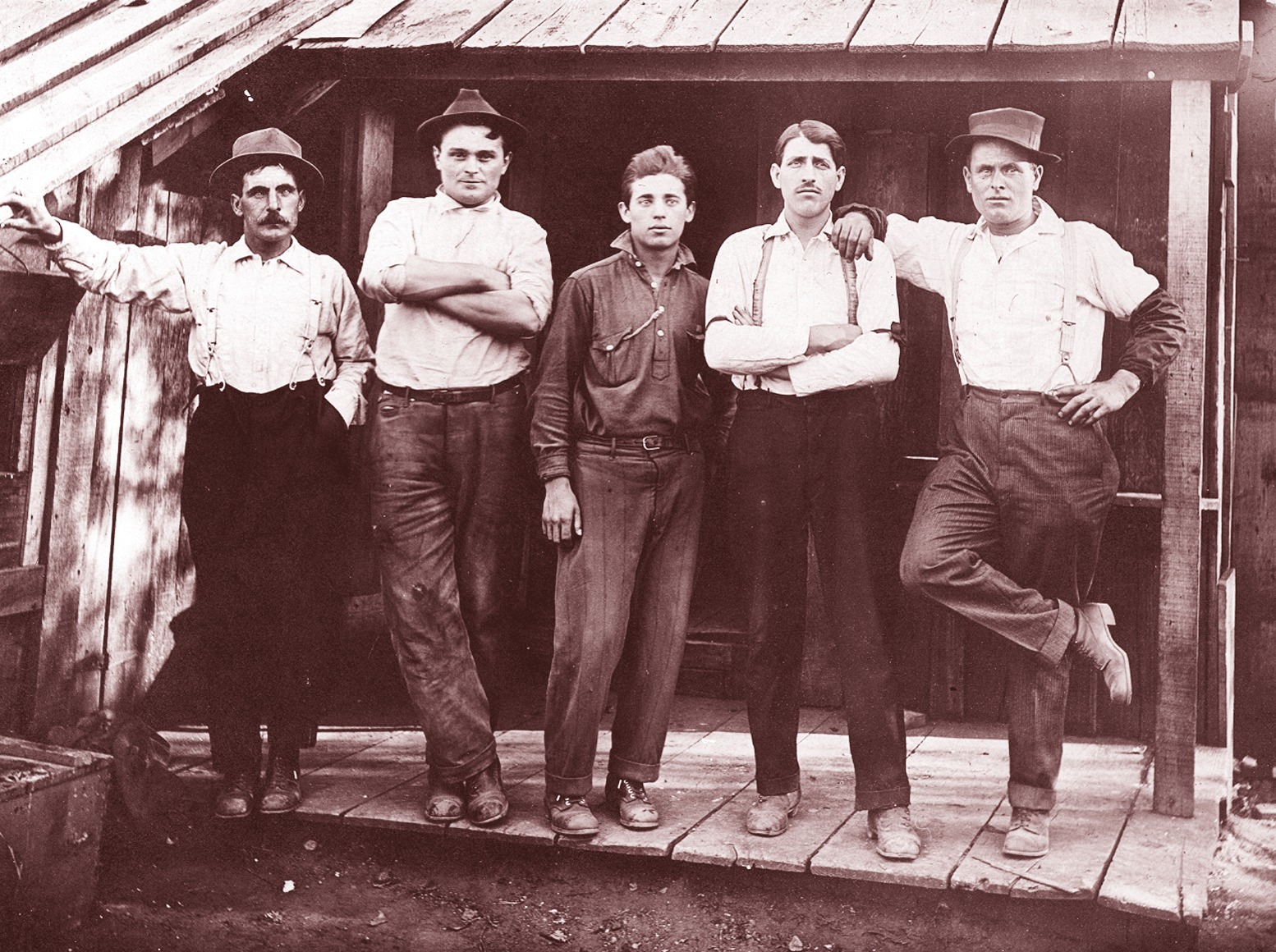
Fonte — Source: A. DADÀ, La Merica, cit., p. 23
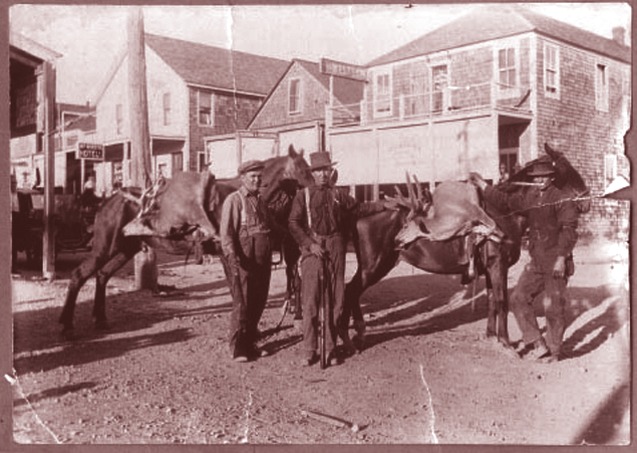
Fonte — Source: A. DADÀ, La Merica, cit., p. 22
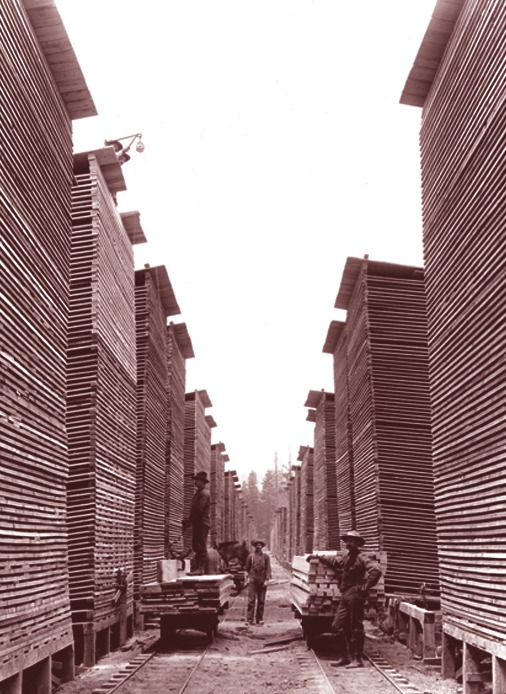
Fonte — Source: A. DADÀ, La Merica, cit., p. 26
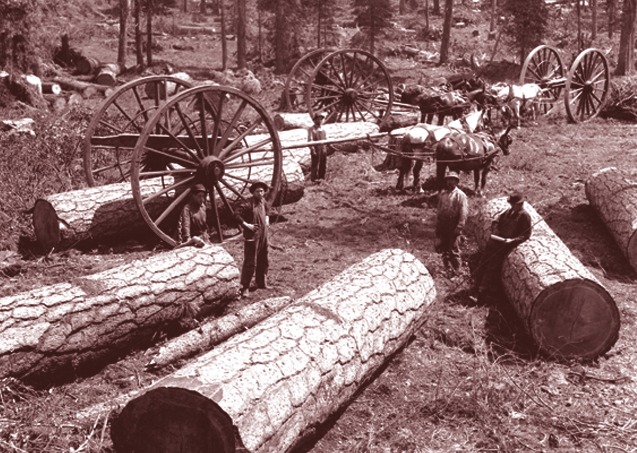
Fonte — Source: A. DADÀ, La Merica, cit., p. 25
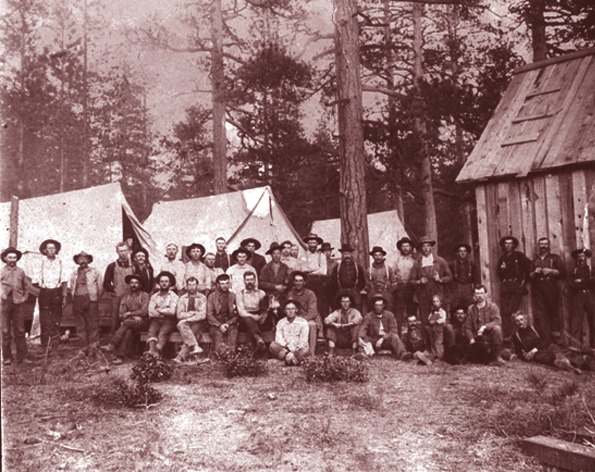
Fonte — Source: A. DADÀ, La Merica, cit., p. 24
Fonte — Source: A. DADÀ, La Merica, cit., p. 24
Fonte — Source: A. DADÀ, La Merica, cit., p. 26.
Fonte — Source: A. DADÀ, La Merica, cit., p. 24.
Fonte — Source: A. DADÀ, La Merica, cit., p. 23.
Fonte — Source: DADÀ, Adriana, La Merica. Bagnone, Toscana – California, U.S.A. Donne e uomini che vanno e che restano, Firenze, Morgana Edizioni, 2006, p. 79.
Fonte — Source: A. DADÀ, La Merica, cit., p. 48.
Fonte — Source: A. DADÀ, La Merica, cit., p. 49.
Fonte — Source: A. DADÀ, La Merica, cit.
CARMELA'S LIFE IN WEED, CALIFORNIA
THE JOURNEY AND THE MARRIAGE
Carmela Luigi emigrated from the Lunigiana to the United States in 1907, to join her fiancé Luigi Barbieri, who had already left in 1904 and was employed cutting timber for the Long-Bell Lumber Company in Siskiyou County. The journey was long and exhausting: from Bagnone she crossed France, embarked at Le Havre on 15 March 1907 aboard the ship La Provence, and landed in New York on the 20th of the same month. From there she still had to cross the entire continent to reach California. Waiting for her at the station in Yreka was Luigi Barbieri, whom she married on 31 March of the following year in the local Catholic church.
LIFE IN WEED
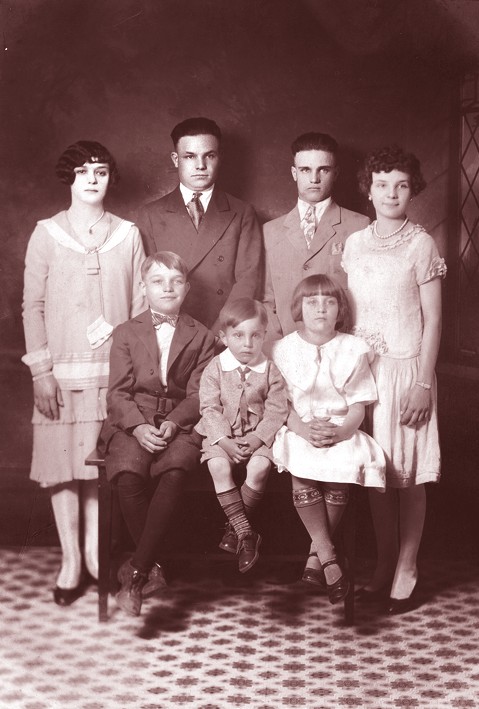
The couple settled in Weed, a company town founded a few years earlier around Abner Weed's sawmill, where Carmela would live to over a hundred years old. Her life was marked by the birth of seven children and an extremely heavy workload, common to many migrant women of the time: besides caring for her family, Carmela ran a boarding house, housing for payment the many unmarried fellow countrymen who worked in the local woods. She baked bread twice a day in a brick oven built specially for the purpose, becoming famous throughout the Weed community for her bread and pastries — a fame that outlived her working years: when she turned one hundred, in 1986, the local newspaper still remembered her for it. That bread, baked and shared with the whole town, was not just nourishment but a way of carrying overseas the flavours and bonds of her homeland, strengthening the identity and the network of her fellow villagers.
SOCIAL STATUS AND THE FAMILY NETWORK
This double role — mother and economic mainstay of the family through her work with lodgers — gave Carmela, as it did many other migrant women, a new social status and a visibility otherwise denied to women who had stayed behind in Italy. Over the decades her house in Weed remained the hub of a dense family network: children, grandchildren and relatives visited her and wrote to her, and Carmela herself returned once to Italy, nearly eighty years old, meeting again after so many years her brother Evaristo and the places of her birth.
LETTERS AND THE MEMORY OF HUNGER
The letters and notes kept in the family archive — such as the one from December 1975 — reveal the most intimate side of this story: behind the affectionate tone of family news lies the painful memory of hunger endured in the past, the “bread of seven crusts” that Carmela urges her nephews and nieces never to have to know, by studying and building for themselves a future different from her own. It is the same theme of “bitter bread” that resurfaces in the family's letters during economic crises — first that of 1929, later that of the 1970s — a sign of how the fear of poverty, rooted in the experience of emigration, never entirely leaves those who lived through it, even across generations and an entire ocean.
GIUSEPPE BARBIERI, A LIFE DIVIDED IN TWO
The story of Giuseppe Barbieri is perhaps the most moving among the tales of Bagnone's emigration to California: a fate divided between the two shores of the Ocean, marked by a difficult childhood, a surprising social achievement, and a forced return that broke his dream forever.
A CHILDHOOD MARKED BY LOSS
Giuseppe was born in Bagnone and was left fatherless at just two years old, in 1898. His mother, Marianna, in order to survive, found work as a cook for the wealthy Noceti family; the little boy was entrusted first to an aunt, then, from age six to sixteen, to an orphanage in Pontremoli, which at least guaranteed him an education. It was a childhood of early separations, not too different from that of many other poor families of the Lunigiana.
DEPARTURE FOR AMERICA
In 1913, now eighteen years old, Giuseppe left for the United States, accompanied by an uncle by marriage, Pietro Bernabovi, who acted as his guarantor since he was still a minor. Waiting for him, between the Californian towns of Weed and McCloud, was a sizeable colony of Lunigiana natives engaged in logging — the same world described for the “pioneers” of the Weed Lumber Company.
THE SOCIAL CLIMB
Unlike many fellow villagers who remained lumberjacks, Giuseppe aimed higher: he moved to San Francisco, learned English in evening classes, and managed to get himself hired as a waiter at one of the city's most prestigious hotels, the famous Fairmont Hotel. Photographs from the period show him elegantly dressed, almost unrecognizable compared with the boy who had left an orphanage: he even had a large oil portrait made from a photograph of his mother, which he had brought with him from Italy. It looks like the classic ending of a successful American dream: in January 1919 he even received an official letter from the United States government inviting him to attend language courses to prepare for the naturalization examination — the decisive step toward becoming an American citizen.
THE BROKEN DREAM
But that promise would never be fulfilled. In the two years 1919–1921 the United States, gripped by fear of communism after the Russian Revolution (the so-called “Red Scare,” which in those same years would also lead to the dramatic case of the Italian anarchists Sacco and Vanzetti), passed restrictive immigration laws introducing strict quotas by nationality. We cannot say for certain whether Giuseppe was forced to leave by an expulsion order or whether the decision was at least partly his own, prompted by longing for his mother; his passport, however, carries an eloquent visa: valid “for repatriation only,” meaning with no possibility of return.
The way Giuseppe himself recounted that journey, decades later, reveals just how deeply that separation marked him: while of his departure for America he remembered only the date, of his forced return he noted down every single stage — port, day, even the exact hour of each leg of the journey all the way to Bagnone, still written “the American way,” with the AM and PM abbreviations he had learned to use in California.
A LIFE DIVIDED IN TWO
Back in Italy, Giuseppe nonetheless built himself a new life: he married, had three children, and carried on the refined trade of waiter he had learned overseas. But his heart remained divided between the two shores: for his whole life he would ask relatives and friends who had stayed in California, or anyone travelling there, for photographs and postcards of the Fairmont Hotel where he had served as a young man. He thus became the “keeper of the memory” of a family scattered across two continents, preserving letters, photographs and postcards that today make it possible to tell his story — that of a dream lived to the full, and then abruptly interrupted by a law that never asked his permission.
